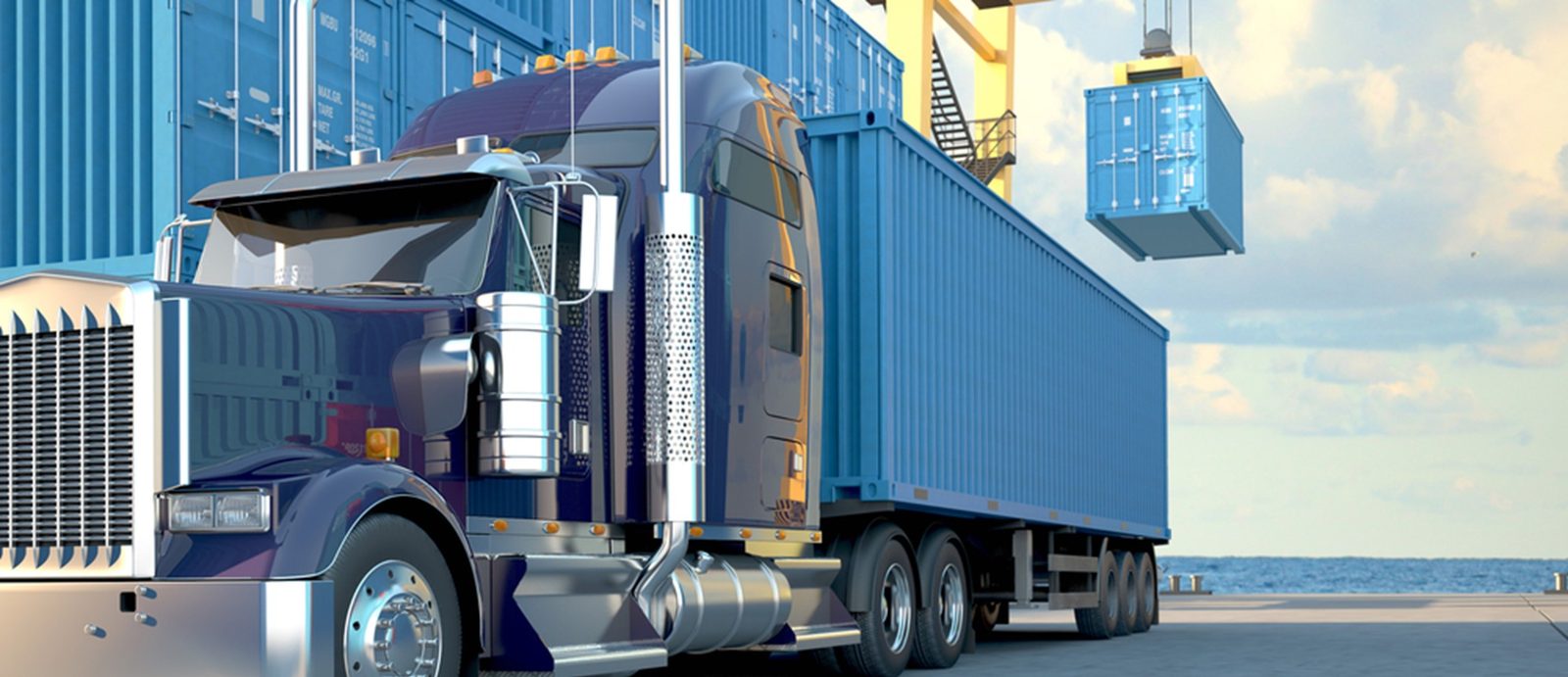
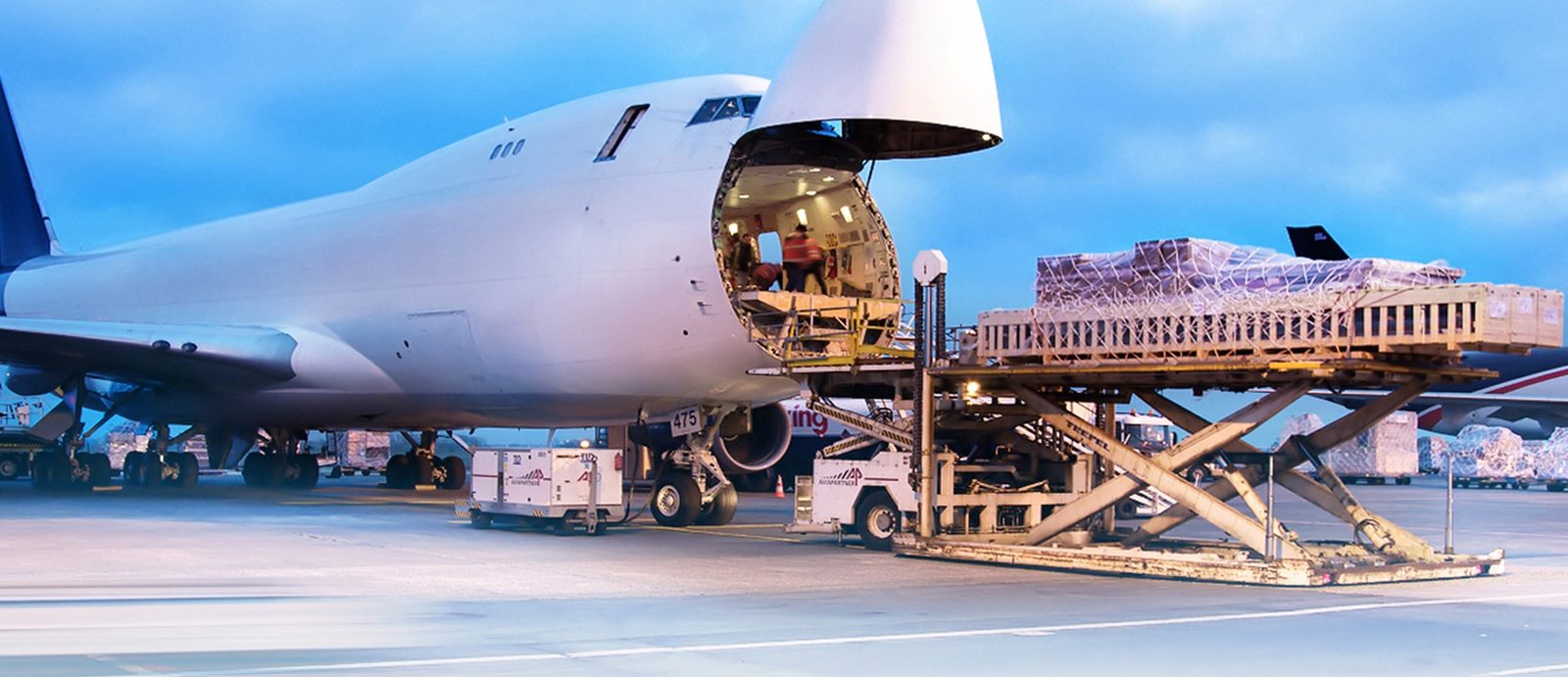
Mode selection is a trade-off between the freight cost you pay and the cost of the time and inventory the transit consumes. Ocean freight moves volume economically over weeks; air freight moves value and urgency over days. The right choice depends on the value density of the cargo, the deadline behind it and the cost of being wrong.
How each mode is priced
- Ocean FCL: priced per container for the routing, plus origin and destination charges, so the unit cost falls as you fill the box. Under-filling a container is the most common way to overpay for ocean freight.
- Ocean LCL: priced on whichever is greater of cubic metres or revenue tonnes, plus consolidation handling at both ends. Efficient for part loads, but per-unit charges and extra handling steps can erode the saving on small, dense shipments.
- Air freight: priced on chargeable weight — the greater of actual gross weight and volumetric weight — plus security, handling and, where applicable, fuel-related surcharges.
- Volumetric weight: light, bulky cargo is charged on the space it occupies rather than what it weighs, which is why packing efficiency changes an air quotation more than most shippers expect.
Transit time in context
Compare door-to-door, not port-to-port. Ocean transit is the long leg, but pre-carriage, documentation cut-offs, terminal dwell, clearance and onward delivery all add days at both ends. Air freight compresses the main leg to hours, yet still needs acceptance cut-offs, screening, clearance and final delivery.
Reliability matters as much as headline speed. Ocean schedules absorb port congestion and blank sailings, so build buffer into the plan. Air capacity is tighter on some lanes and cargo can be offloaded in favour of higher-yield freight, so booking early and confirming the service level is worth the effort.
When ocean freight usually wins
- High volume or heavy cargo where freight cost per unit dominates the landed cost.
- Low value density goods — raw materials, packaging, furniture, bulk consumer goods.
- Planned replenishment where the lead time can be built into the inventory cycle.
- Cargo restricted or uneconomic in air, including many hazardous classes and out-of-gauge pieces suited to flat rack or open top equipment.
- Programmes where carbon intensity per tonne-kilometre is a stated priority.
When air freight usually wins
- High value density cargo where freight is a small share of the goods value.
- Time-critical movements: launches, production line stoppages, spares and repairs.
- Perishable or short shelf-life goods, and temperature-sensitive pharmaceuticals with validated handling.
- Small, urgent quantities where the working capital tied up in a long ocean transit exceeds the air premium.
- Recovery shipments used to bridge a delay elsewhere in the supply chain.
Combined and alternative approaches
The choice is not always binary. Splitting an order — air freighting the first tranche to cover the opening demand while the balance follows by sea — often costs less than airfreighting everything and protects the launch date.
Sea-air routings via a transhipment hub, and rail or road line-haul on continental lanes, can sit between the two modes on both cost and transit. Availability depends on the lane, the equipment and the season.
A practical way to decide
- Calculate freight cost per unit for each option, not per shipment.
- Add the inventory carrying cost of the extra transit days on the slower option.
- Add the cost of a stockout or a missed deadline, weighted by how likely it is.
- Check the cargo is actually acceptable in the mode: hazardous classification, dimensions, temperature and packaging all constrain the answer.
- Confirm the Incoterm still makes sense — changing mode changes which party arranges and pays for which leg.